

Hear from Our Customers
You’ve noticed the musty odor in your basement. Maybe you’ve seen discoloration on a wall after that pipe leak last winter. Or you’re about to close on a house and need confirmation before you sign.
A professional mold test tells you exactly what you’re dealing with. Not a guess based on what something looks like. Not a DIY kit that leaves you more confused than before. You get lab-analyzed results that show what types of mold are present, where the concentrations are highest, and whether your indoor air quality is actually compromised.
That matters because visible mold is only part of the problem. Mold grows behind walls, under flooring, and inside HVAC systems where you can’t see it. And in Bucks County’s humid climate, those hidden spots stay damp enough to fuel growth year-round. Testing catches what inspection alone misses, so you’re not making decisions in the dark about your family’s health or a five-figure remediation bill.
We’ve been testing and treating mold in Red Cedar Hill and across Bucks County for years. We’re not a national franchise following a script. We know how Pennsylvania’s wet springs and humid summers create the exact conditions for mold to thrive in older homes with poor ventilation and newer builds with tight seals that trap moisture.
We also know what local homeowners are up against. Real estate transactions in this area move fast, and buyers want answers before they commit. Basements flood. Roofs leak. HVAC condensation builds up. These aren’t rare problems—they’re common ones that need accurate testing, not fearmongering or guesswork.
You’ll work with trained mold check professionals who use calibrated equipment, follow proper sampling protocols, and send samples to certified labs. No shortcuts. No upselling services you don’t need.
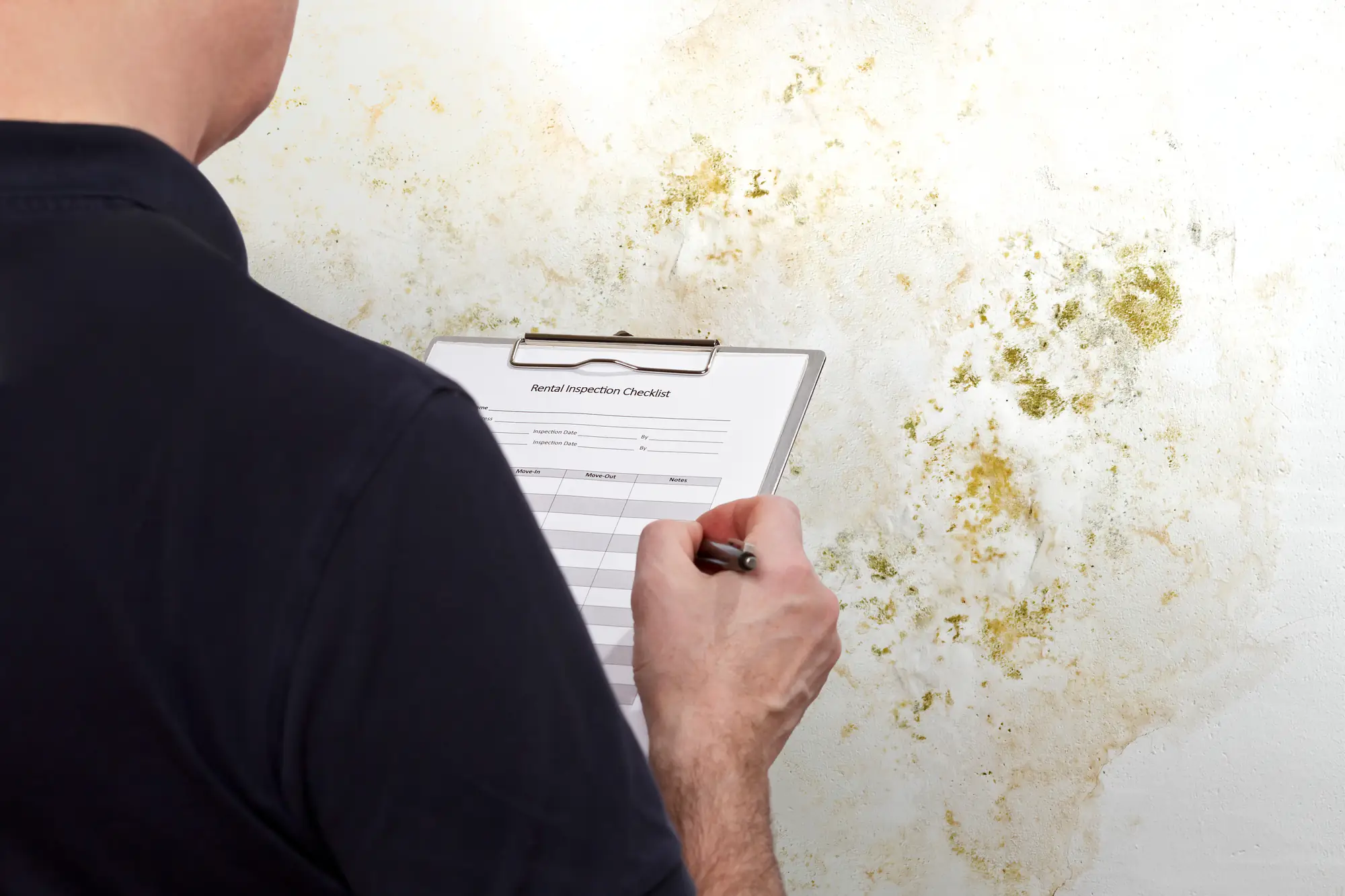
First, we talk. You tell us what you’ve noticed—symptoms, smells, water damage, health concerns. We ask questions to understand your situation and schedule a time that works for you, usually within 24 to 48 hours.
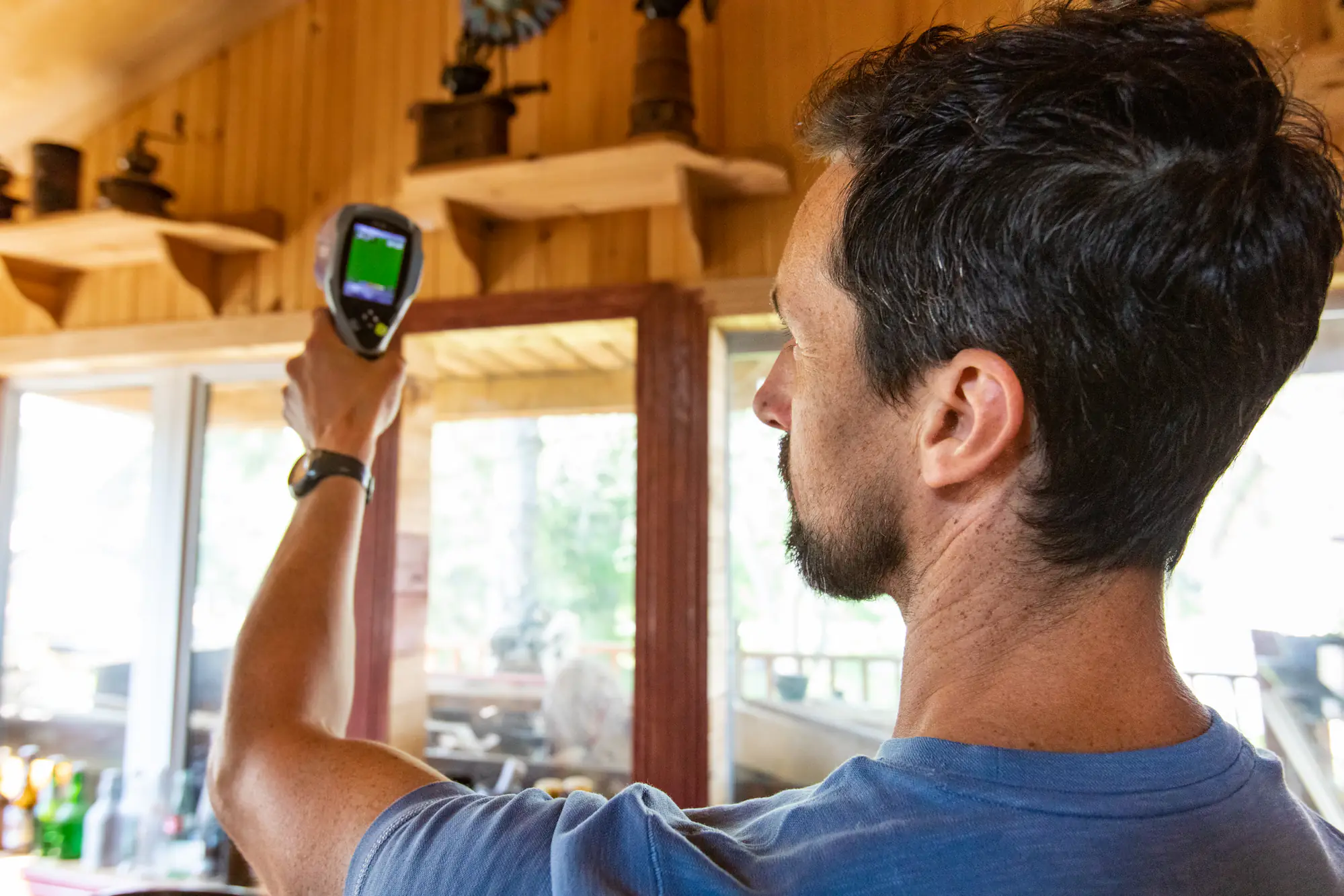
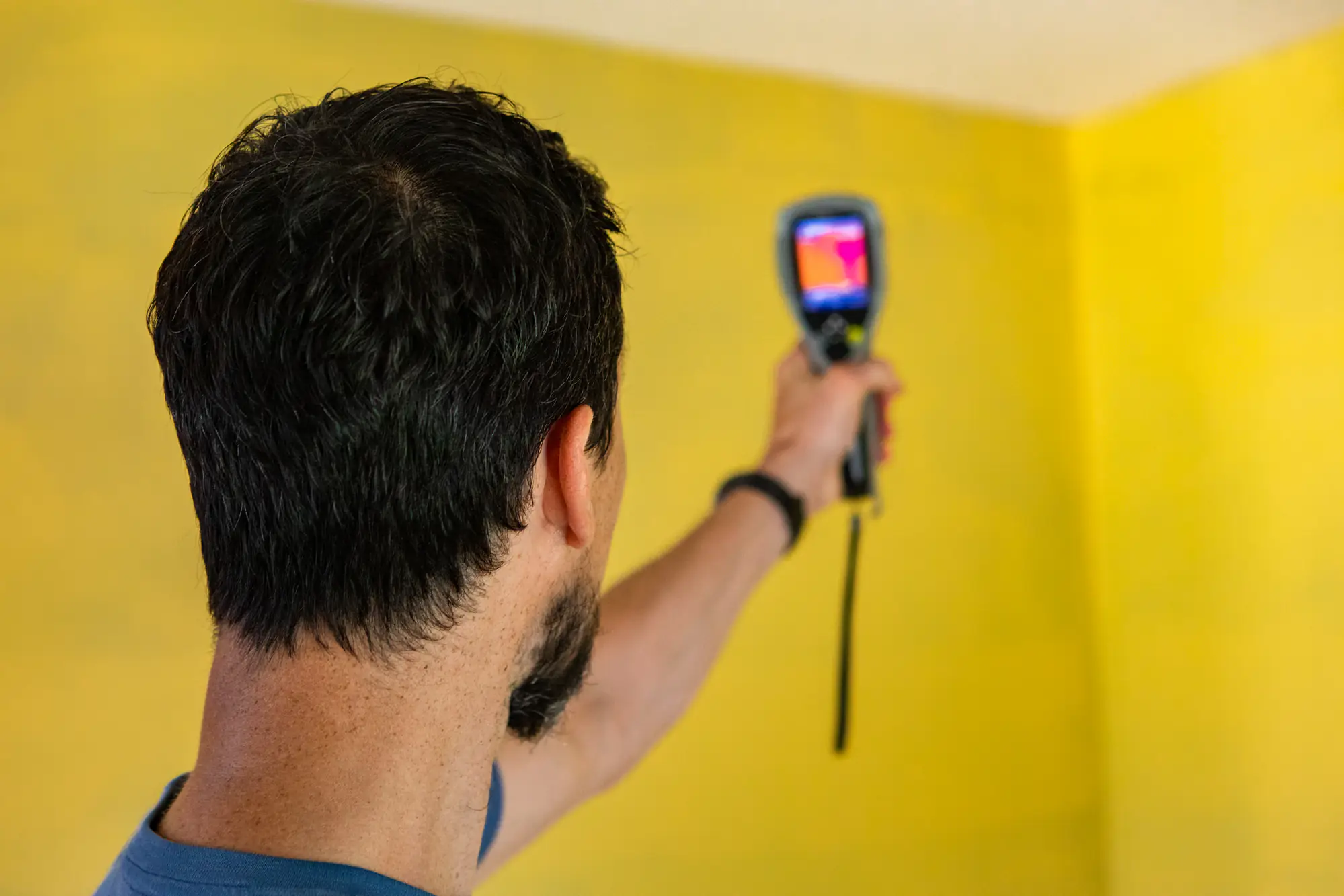
When we arrive, we do a visual inspection of your property. We’re looking for obvious mold growth, but also moisture sources, ventilation issues, and areas where conditions are right for hidden contamination. We use moisture meters and infrared cameras to identify problem zones you can’t see with your eyes.
Then we collect samples. Air sampling captures airborne mold spores in different rooms and compares them to an outdoor baseline. Surface testing swabs or tape-lifts visible growth to identify specific mold types. We also check areas like crawl spaces, attics, and behind appliances where mold hides.
Samples go to an independent, accredited lab for analysis. You get a detailed report within a few days that breaks down mold types, spore counts, and whether levels are elevated compared to normal outdoor air. We walk you through the results in plain language and explain what they mean for your next steps—whether that’s remediation, minor repairs, or just better ventilation.
Ready to get started?
Every residential mold testing appointment includes a full visual inspection of your home’s interior and exterior moisture risks. We check basements, bathrooms, kitchens, attics, and any areas where you’ve noticed issues or where building materials are vulnerable.
You get both air and surface sampling. Air samples measure what you’re breathing. Surface samples identify what’s growing on walls, ceilings, or floors. We take multiple samples from different areas to give you a complete picture, not just a single data point that might miss the problem.
The lab report you receive isn’t a mystery document filled with jargon. It lists every mold species found, the concentration levels, and whether those levels are abnormal for indoor environments. We include photos from the inspection and notes on moisture readings so you understand the full scope.
This matters in Red Cedar Hill because homes here deal with specific challenges. Older properties have stone foundations that wick moisture. Newer homes are built tight for energy efficiency, which traps humidity indoors if ventilation isn’t right. Heavy spring rains and summer humidity create perfect conditions for mold in attics and crawl spaces. Our testing accounts for these local factors, so your results are relevant to what’s actually happening in Bucks County homes.
If you can see mold growing on surfaces, you don’t necessarily need a test to confirm it’s mold—you already know it’s there. But a black mold test or full mold analysis is useful when you need to know what type of mold it is, especially if you’re concerned about toxic varieties like Stachybotrys (black mold). Different mold species carry different health risks, and knowing what you’re dealing with helps you respond appropriately.
Testing becomes essential when you smell mold but can’t find the source. That musty odor means spores are present, but they could be growing inside walls, under flooring, or in your HVAC system. Air sampling detects elevated spore counts even when the growth is hidden. It’s also critical after water damage—even if you dried everything quickly, mold can start growing within 24 to 48 hours in hidden spaces.
You also need testing if you’re buying or selling a home. Buyers want documentation before closing, and sellers benefit from having clean test results to show the property is safe. And if someone in your household has unexplained respiratory symptoms, allergies, or asthma that worsens at home, testing confirms whether mold is the trigger.
Air sampling measures the concentration of mold spores floating in your indoor air—the stuff you’re actually breathing. We use a calibrated pump to pull air through a collection device, then send that sample to a lab. The lab counts spores and identifies species. We compare your indoor levels to an outdoor control sample, because mold is always present in outdoor air. If your indoor counts are significantly higher, that’s a red flag.
Surface sampling tests visible growth or suspicious stains. We use swabs, tape lifts, or bulk samples to collect material directly from walls, ceilings, or other surfaces. This tells us exactly what type of mold is growing in a specific spot. It’s especially useful for identifying toxic molds or confirming that discoloration is actually mold and not just dirt or mineral deposits.
Most comprehensive mold testing includes both methods. Air sampling catches what you can’t see. Surface sampling identifies what’s already visible. Together, they give you a complete picture of your indoor air quality and contamination levels. In Red Cedar Hill’s humid climate, basements and crawl spaces often show elevated air samples even when surface growth isn’t obvious, which is why testing both ways matters.
The on-site inspection and sample collection usually takes one to two hours, depending on your home’s size and how many areas we’re testing. We’re thorough, but we’re not going to waste your time. We move efficiently through the property, document everything with photos and moisture readings, and collect air and surface samples from the areas that matter most.
Once we send samples to the lab, you’ll typically get results back within three to five business days. The lab needs time to culture samples, count spores, and identify species accurately. We don’t rush this part because accuracy matters more than speed. When results come in, we’ll call you to schedule a time to review the report together, or we can walk through it over the phone if that’s easier for you.
If you’re in a time crunch—like a real estate closing deadline—let us know upfront. We can sometimes expedite lab processing for an additional fee. But in most cases, a few days gives you reliable, certified results without cutting corners. And that’s worth the wait when you’re making decisions about remediation costs or your family’s health.
A mold test tells you what’s there and how much of it is present. The results show mold types, spore concentrations, and whether your indoor levels are elevated compared to outdoor air. From there, you can make an informed decision about next steps.
Small areas of surface mold—less than 10 square feet—can often be cleaned by homeowners using proper techniques and safety gear. If your test shows low spore counts and the mold is limited to a small, accessible area like a bathroom tile or window sill, DIY cleaning might be enough. But you need to address the moisture source, or it’ll come back.
If testing reveals elevated airborne spore counts, hidden mold, or toxic species like Stachybotrys, professional remediation is the smarter move. Disturbing large mold colonies without containment spreads spores throughout your home and makes the problem worse. We use negative air pressure, HEPA filtration, and proper removal techniques to eliminate mold without cross-contaminating clean areas.
In Bucks County, we also see situations where mold is growing inside wall cavities or under flooring due to chronic moisture problems. Testing identifies these hidden issues so you’re not just cleaning surface mold while the real problem keeps growing behind the scenes.
Most professional mold testing runs between $300 and $600 for a typical residential property, depending on the size of your home and how many samples you need. A basic test with a visual inspection and a few air samples will be on the lower end. More comprehensive testing with multiple air samples, surface samples, and moisture mapping costs more but gives you a complete picture.
That price includes the on-site inspection, sample collection, lab analysis, and a detailed report with our interpretation of results. You’re not just paying for someone to show up with a kit—you’re paying for calibrated equipment, certified lab work, and professional expertise to tell you what the numbers actually mean.
Some mold testing companies offer free inspections but charge high fees for remediation. We don’t play that game. Our testing is priced fairly because we want you to have accurate information, whether you hire us for remediation or not. If you don’t need our services beyond testing, we’ll tell you. If you do, you’ll know exactly why based on real data.
For Red Cedar Hill homeowners, testing is a small investment compared to the cost of ignoring a mold problem. Untreated mold can drop your property value by 10% to 30% and lead to thousands in structural repairs. Testing gives you the facts so you can act before a small issue becomes a big expense.
Mold will absolutely grow back if the moisture source isn’t fixed. You can test, clean, and remove every visible spore, but if water is still leaking, humidity is still high, or ventilation is still poor, you’re just buying time until it returns. Mold needs moisture to grow. Eliminate the moisture, and you eliminate the problem.
After testing identifies mold, the next step is finding out why it’s there. Is your basement flooding during heavy rains? Is a roof leak dripping into your attic? Is your bathroom exhaust fan vented into the attic instead of outside? We document moisture sources during testing so you know what needs to be repaired.
Prevention in Red Cedar Hill means managing humidity and water intrusion year-round. Use dehumidifiers in basements and crawl spaces, especially during humid summer months. Make sure gutters and downspouts direct water away from your foundation. Fix plumbing leaks immediately. Vent bathrooms and kitchens to the outside, not into attic spaces. Check your HVAC system for condensation buildup and clean ducts regularly.
If you’ve had remediation done, post-remediation testing confirms the job was done right and spore levels are back to normal. It’s your proof that the problem is actually solved, not just covered up. And if you stay on top of moisture control, mold won’t have the conditions it needs to come back.
Other Services we provide in Red Cedar Hill